
Knowledge Blog
The science behind
better skin.
Evidence-based guides by HALO physicians on skin aging mechanisms, how treatments work at a cellular level, and what the research actually says.
Skin Science · Collagen
Collagen: how it forms and why it declines
Why the skin makes less collagen and breaks down more of it with age, and what the research says actually helps.

Botox · First Appointment
Your first Botox appointment, step by step
A step-by-step look at a first treatment: the medical consultation, the injections themselves, what you may feel, and the aftercare rules for the first day.
Botox · Duration
How long Botox lasts and why it varies
Three to five months is the typical range, but individual results differ. The biology behind the fading effect, and the factors that make the difference.
Botox · Prevention
Preventive Botox in your 20s and 30s and what the evidence says
The biological rationale is plausible, the long-term data is limited. An honest look at the studies on preventive treatment and the questions to ask first.
Botox · Lip Flip
Lip flip and lip filler compared
One relaxes the muscle around the mouth, the other injects material into the lip. Mechanism, effect, duration and risks compared.

Botox · Lower Face and Neck
DAO, Nefertiti lift and platysma bands in the lower face and neck
Three treatments, one principle: reducing the downward pull of specific muscles. Anatomy, evidence and what makes the lower face more demanding.
Skin Science · Under-Eye Area
Dark circles and under-eye skin, causes and treatment options
Pigmentation, visible vessels, thin skin or hollowing: why dark circles look different from person to person, and how the options compare.

Botox · Trapezius
Trapezius Botox for shoulder tension and a slimmer neckline
A large muscle with two reasons for treatment: tension and contour. What the treatment involves, the evidence on pain, and realistic expectations.
Skin Science · Menopause
How menopause changes the skin, and what helps
Estrogen influences collagen, hydration and barrier function. What changes in the skin during menopause, and what topical care and treatments can do.
Botox · Men
Botox for men, dosing and common areas
Stronger muscles, different brows, different goals. What studies show about dosing in men and how a treatment keeps a male face looking like itself.

Skin Science · Sleep and Stress
How cortisol and sleep affect skin aging
From exam stress to sleep deprivation studies: how the stress axis affects barrier function, inflammation and appearance, and which habits have evidence.
Skin Science · Sun Protection
Mineral and chemical sunscreens compared
How mineral and organic UV filters work, what the absorption studies mean, which filters suit sensitive skin, and why the best sunscreen is the one you use.
PRP · Biofiller
PRP biofiller, a filler made from your own blood
Autologous, natural in feel and regenerative in principle: how plasma gel is made from your blood, how it differs from hyaluronic acid, and what the evidence shows.
Skin Science · Fundamentals
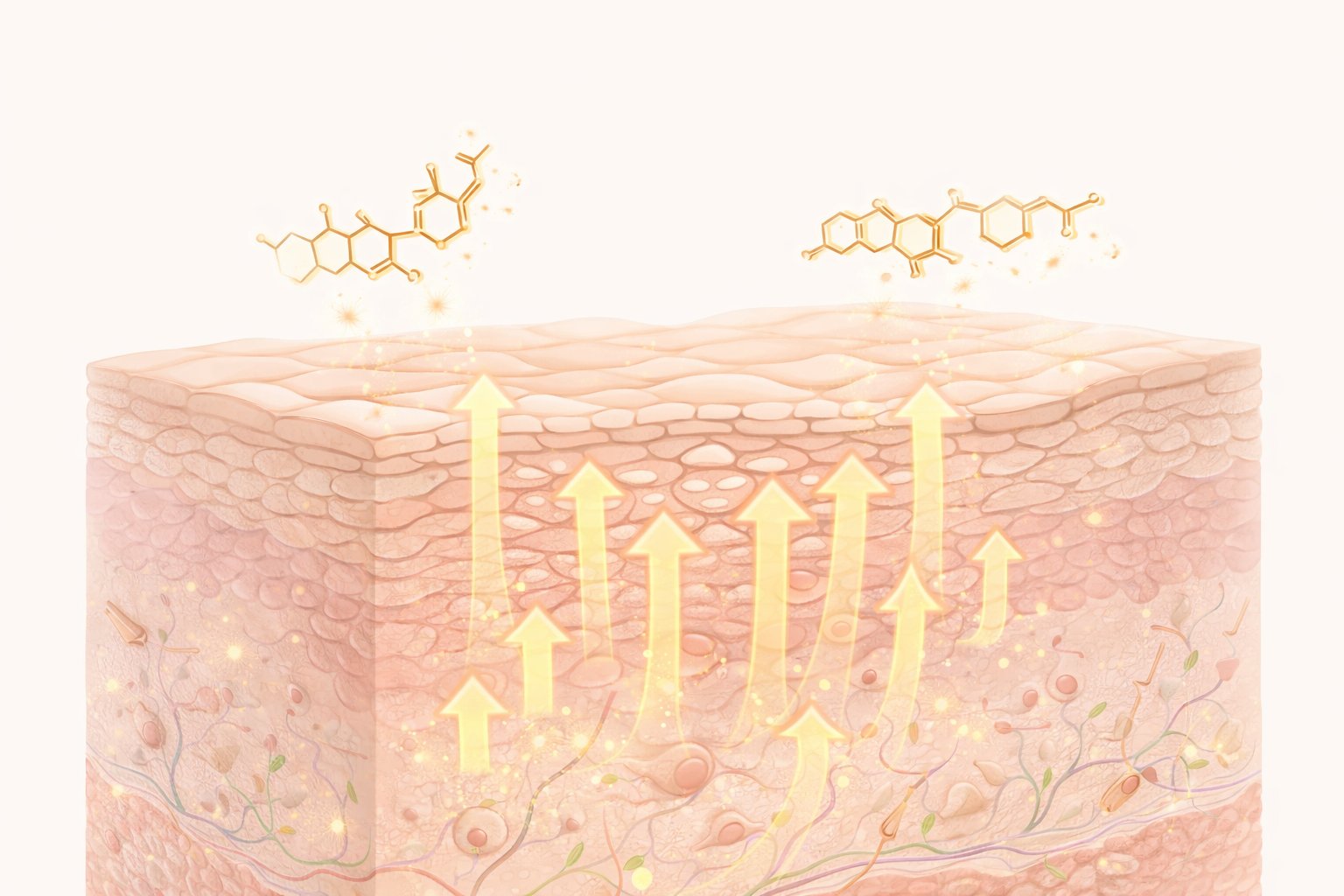
The mechanisms of skin aging: intrinsic, extrinsic, and what you can actually influence
Skin aging is not a single process. This guide covers collagen decline, UV-driven photo-aging, inflammaging, glycation, and the evidence behind daily sun protection as the highest-leverage intervention.

Skin Science · UV Radiation
UV radiation and photo-aging: the science of sun damage
UV accounts for an estimated 80 to 90% of visible facial aging. How UVA and UVB damage skin at the molecular level, and why daily SPF is non-negotiable.
Skin Science · Topical Treatments
Retinoids are the most evidence-backed agent in dermatology
Prescription retinoids are ~20× more potent than store-bought retinol. The mechanism, the evidence, and how to use them alongside clinical treatments.

PRP · Skin Rejuvenation
PRP for skin, eyes, full face, and the growth factor cascade
How concentrated autologous growth factors rejuvenate the under-eye area and full face, targeting the specific mechanisms behind hollowing, pigmentation, and loss of skin quality.
Skin Science · Chronic Inflammation
Inflammaging: how chronic inflammation accelerates skin aging
Silent inflammation driven by sugar, sleep deprivation, and UV exposure quietly degrades skin over years. The biology and three evidence-based interventions.
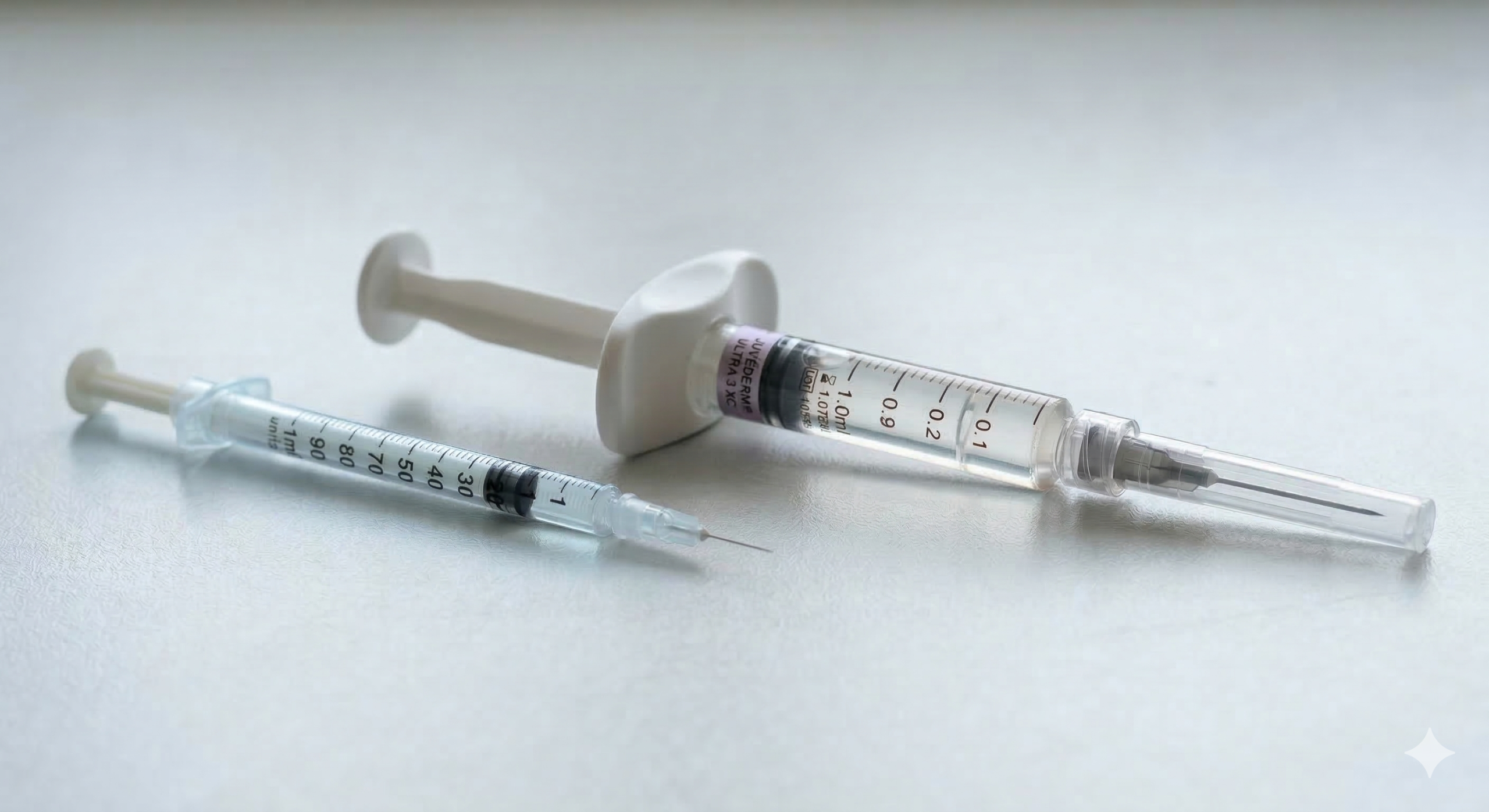
Skin Science · Clinical Distinctions
Neuromodulators vs. fillers: A clinically important distinction
Often conflated, these two categories operate on different targets and carry fundamentally different risk profiles. Why HALO does not offer filler treatments.
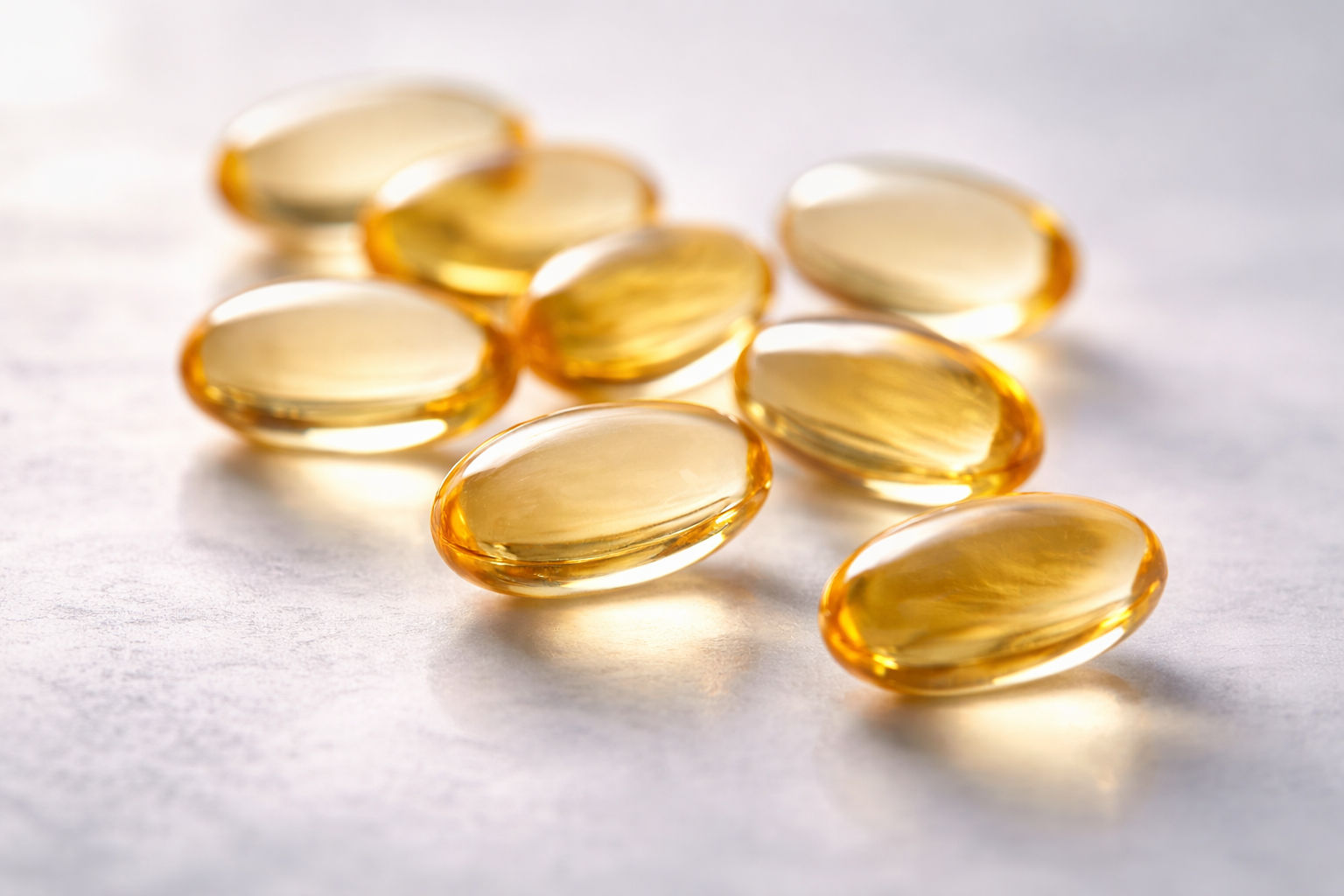
Skin Science · Evidence Review
Supplements for skin: what the evidence actually supports
From collagen peptides to Omega-3, Vitamin C, and polyphenols, what works, what is overstated, and what the clinical data shows.
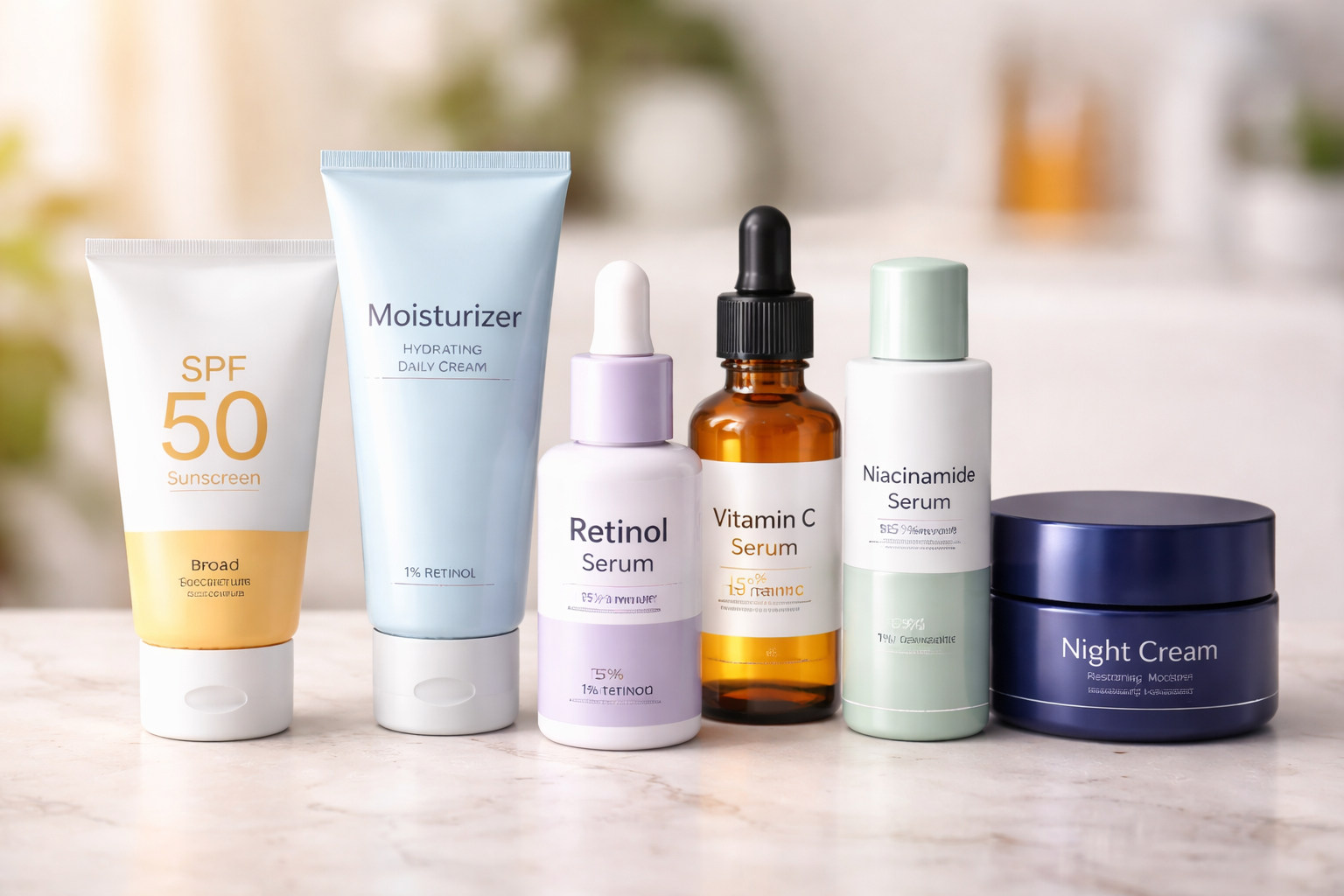
Skin Science · Daily Practice
The evidence-based skincare routine
Most skincare advice is not evidence-based. This is. A practical guide to the actives with clinical proof behind them, what to use, when, and in what order.
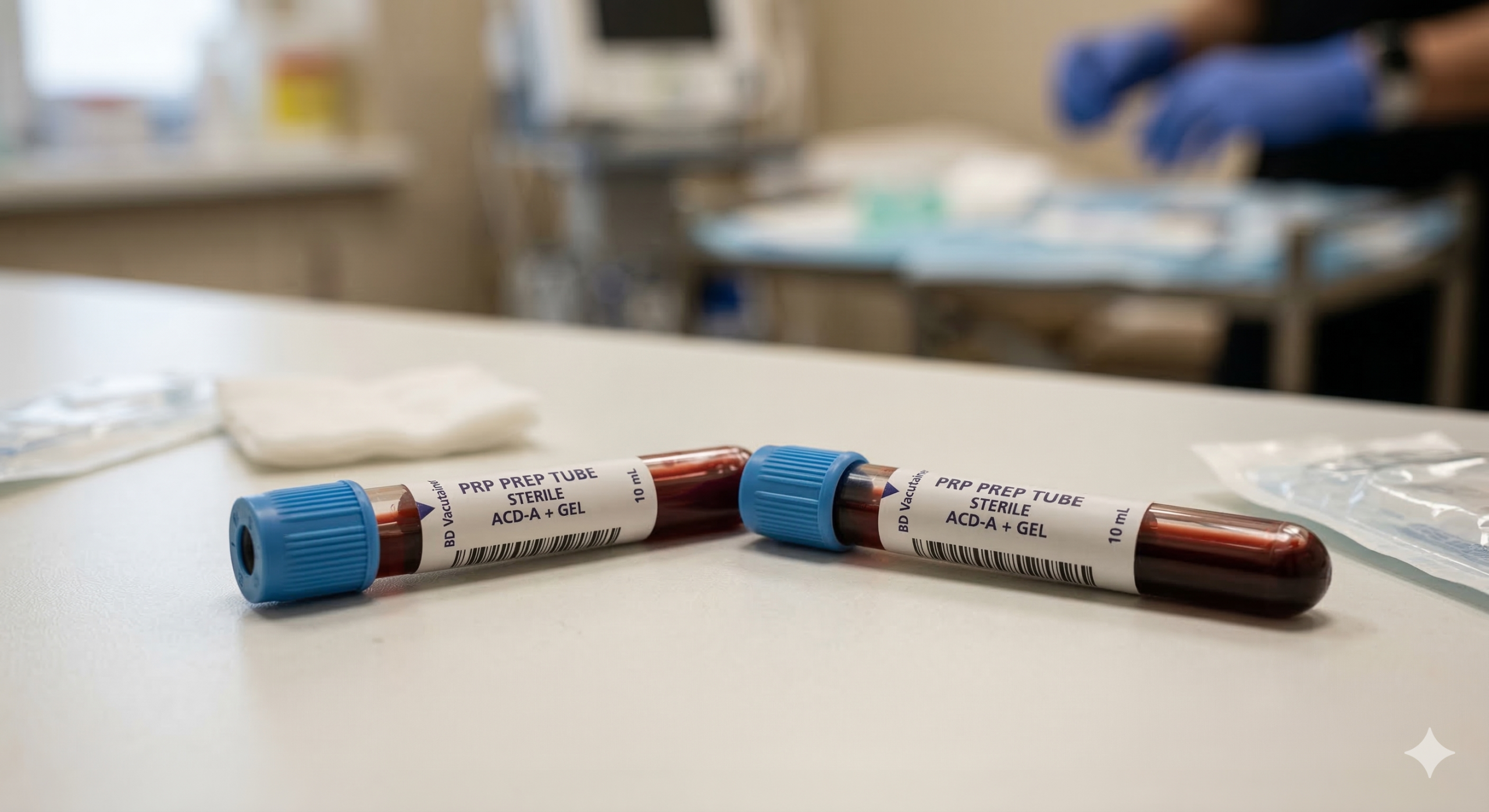
PRP · Hair Restoration
PRP for hair: follicular stimulation and the science of hair loss
PRP activates dormant hair follicles via PDGF and FGF signaling. The biology of androgenetic alopecia, how platelet growth factors intervene, and what results look like.
Infusions · Cellular Energy & Longevity
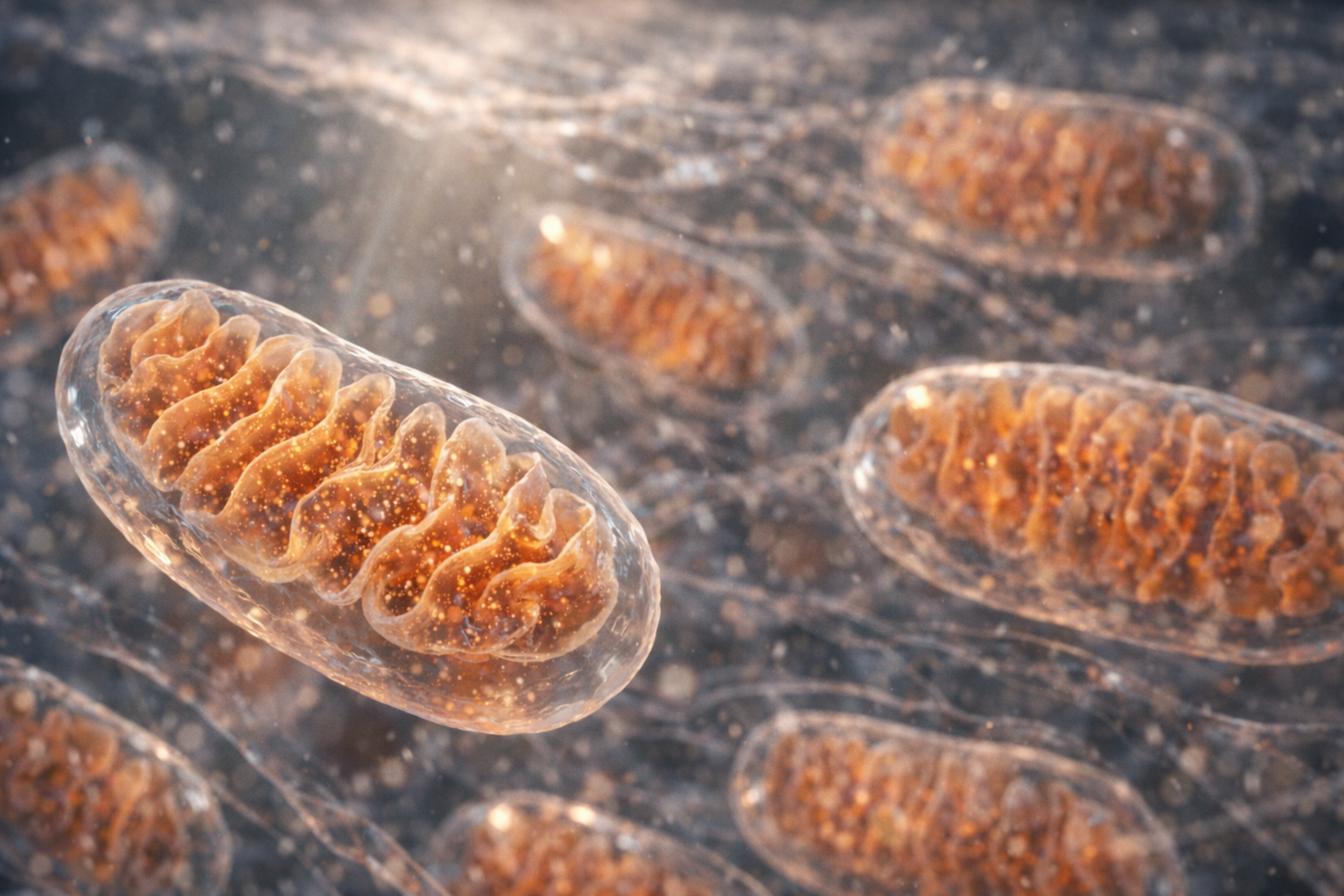
NAD+ provides cellular energy and the aging connection
A coenzyme essential to over 500 biological reactions, NAD+ declines by ~50% between ages 40 and 60. Why IV delivery matters, and what the research says.
Infusions · Systemic Skin Nourishment
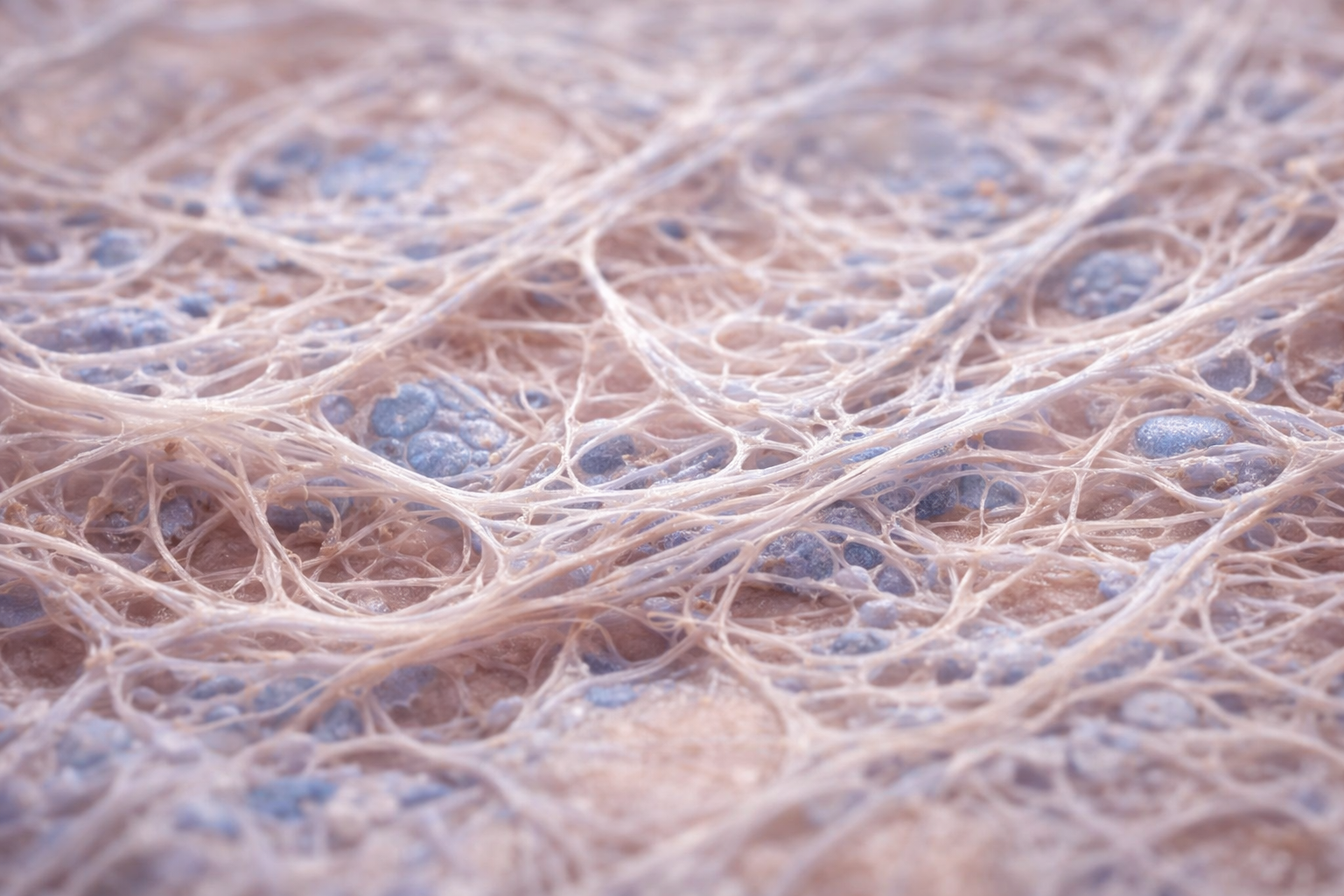
The Skin Rejuvenation Infusion: systemic skin nourishment
A precision IV formulation targeting antioxidant defense, collagen synthesis, and cellular repair. Why topical products have fundamental limits.
Biostimulators · Collagen Induction Therapy
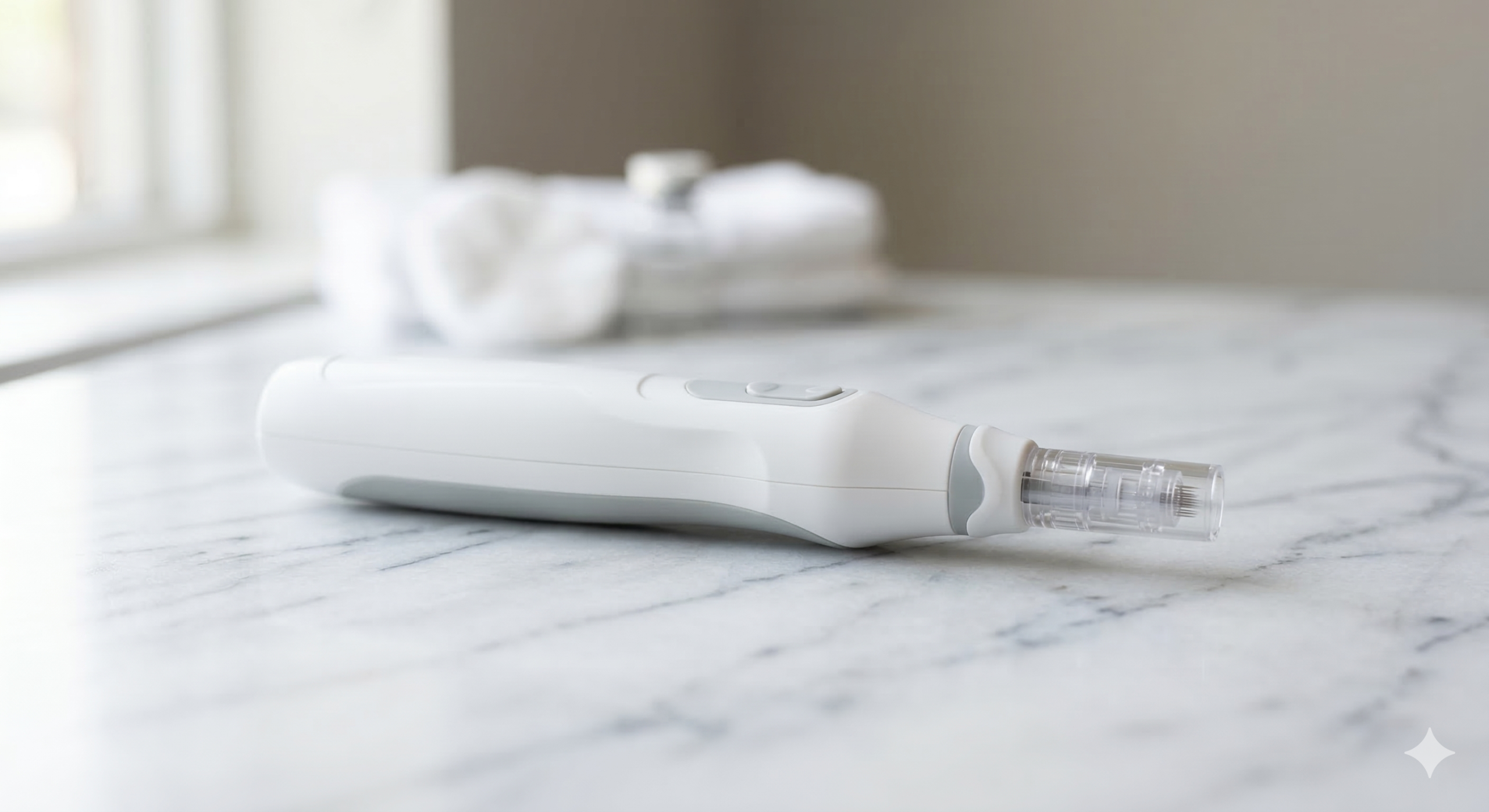
Microneedling: mechanical collagen induction explained
Controlled micro-injuries that trigger the skin’s wound-healing cascade. How the mechanism works, and why it pairs well with polynucleotides and PRP.

Biostimulators · DNA-Derived Regeneration
Polynucleotides: regeneration at the cellular level
DNA-derived fragments that stimulate your skin’s own repair mechanisms. How they work, how they differ from filler and Botox, and why results compound over time.
Botox · Masseter
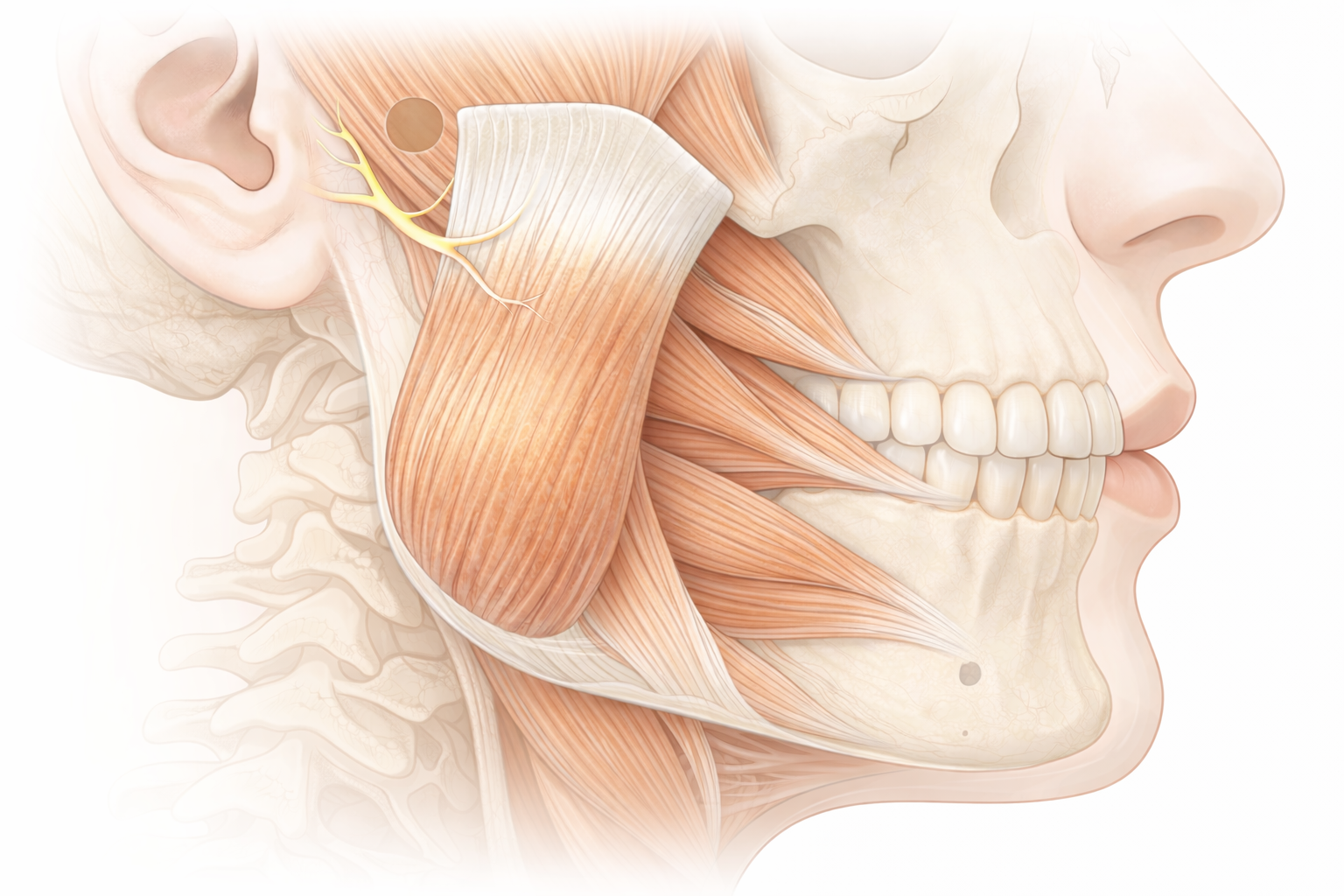
Masseter Botox helps with jawline slimming, bruxism and tension headaches
One treatment, three distinct effects. How botulinum toxin in the masseter muscle addresses teeth grinding, reshapes the lower face, and relieves chronic jaw pain and headaches.
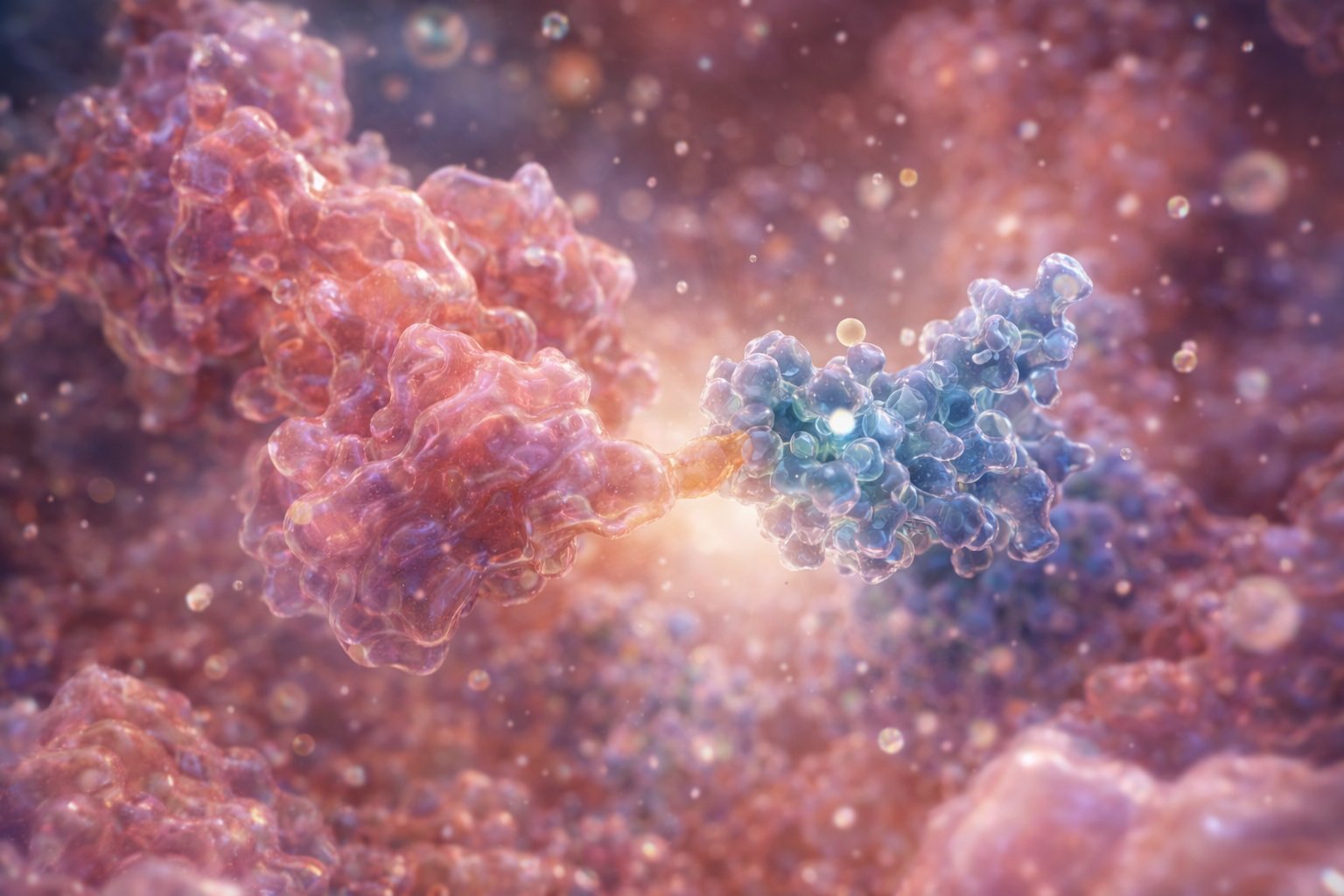
Botox · Botulinum Toxin Type A
How Botox works: mechanism, prevention, and what makes dosing different
Botulinum toxin type A is one of the most studied compounds in aesthetic medicine. This guide covers the neuromuscular mechanism, the evidence for preventative treatment, masseter applications, and aftercare.